


It’s one of the most common questions we hear: Is loud snoring simply annoying, or is it a sign of a serious medical condition?
For many, snoring is the soundtrack to a peaceful night’s rest. However, that loud, rumbling sound can also be the main indicator of Obstructive Sleep Apnea (OSA), a disorder that can severely impact your long-term health. While both involve noisy breathing, the difference between benign snoring and sleep apnea is profound—it’s the difference between a minor annoyance and a medical necessity.
If you’re based in Victoria and struggling with restless nights, understanding this difference is the crucial first step toward better health.
What is Snoring? (The Simple Sound)
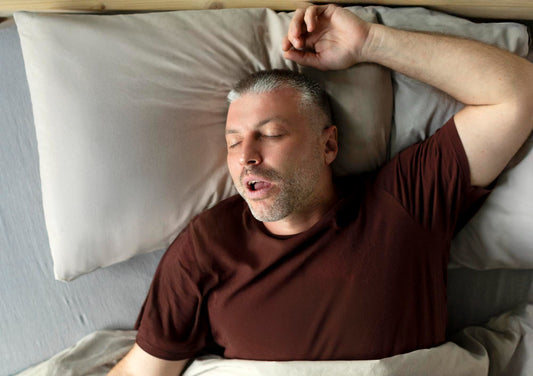
Snoring occurs when the airflow through your mouth and nose is physically obstructed. When you fall asleep, the muscles in your throat and soft palate relax. If they relax too much, they narrow your airway.
As air passes through this narrow opening, the surrounding tissues vibrate, creating the familiar sound of snoring.
When is Snoring Just Snoring?
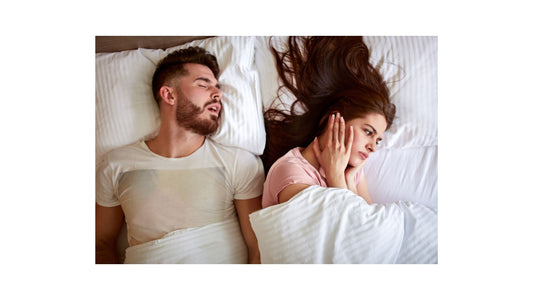
If your snoring is consistent, but your partner observes that your breathing remains regular, it is likely considered primary snoring. This is often associated with:
- Sleeping on your back.
- Congestion due to a cold or allergies.
- Occasional alcohol consumption before bed.
While primary snoring can disrupt your partner's sleep, it generally does not cause severe interruptions to your own breathing or oxygen levels.
What is Sleep Apnea? (The Dangerous Pause)
Obstructive Sleep Apnea (OSA) is a serious condition where snoring leads to something much more critical: a literal cessation of breath.
In OSA, the airway becomes completely blocked, causing breathing to stop for 10 seconds or longer. This pause, or "apnea," triggers your brain to briefly wake up just long enough to signal your body to breathe again. This cycle can repeat dozens, even hundreds, of times per night.
While you might not remember these awakenings, they prevent you from achieving the deep, restorative sleep your body needs.
Key Symptoms of Sleep Apnea:
- Observed Pauses in Breathing: Your partner notices complete silence, often followed by a choking or gasping sound.
- Excessive Daytime Sleepiness (EDS): You feel tired regardless of how many hours you sleep.
- Morning Headaches: Waking up with a dull headache.
- Irritability and Difficulty Concentrating: Chronic fatigue impacts your mood and cognitive function.
The Critical Differences
The distinction between the two conditions comes down to one element: airway blockage and oxygen saturation.
|
Feature |
Primary Snoring |
Obstructive Sleep Apnea (OSA) |
|
Airway Status |
Narrowed, but air still moves. |
Repeatedly and completely blocked. |
|
Breathing Pattern |
Continuous (albeit noisy). |
Repeated pauses (10 seconds or more) followed by gasping. |
|
Oxygen Levels |
Generally stable. |
Repeated drops in blood oxygen saturation. |
|
Daytime Impact |
Tiredness (due to poor sleep quality). |
Excessive daytime sleepiness, cognitive impairment, micro-naps. |
Why a Diagnosis Matters for Your Health
If you or your partner suspect you have more than just simple snoring, seeking a professional diagnosis (often through a Sleep Study) is vital. Delaying diagnosis can have severe health consequences because the repeated drop in oxygen levels puts incredible stress on your cardiovascular system.
Untreated OSA is linked to:
- High Blood Pressure (Hypertension): The constant struggle for breath at night raises blood pressure.
- Heart Disease and Stroke: OSA patients have a significantly higher risk of cardiovascular problems.
- Type 2 Diabetes: Sleep deprivation interferes with the body's ability to regulate blood sugar.
The Path to Better Sleep in Victoria
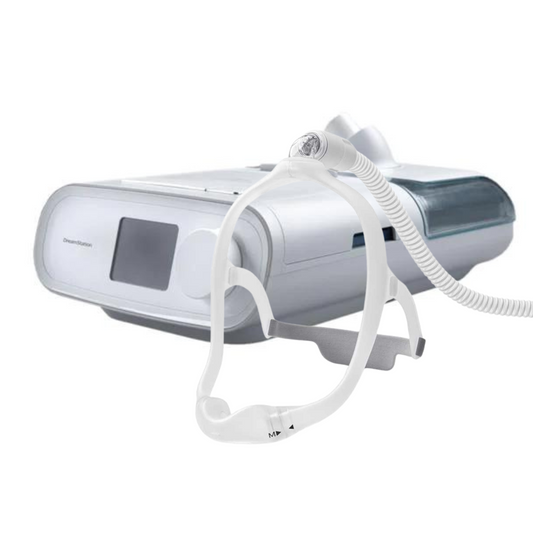
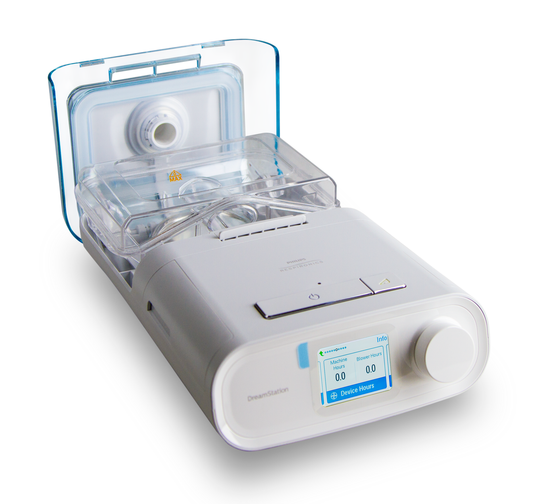
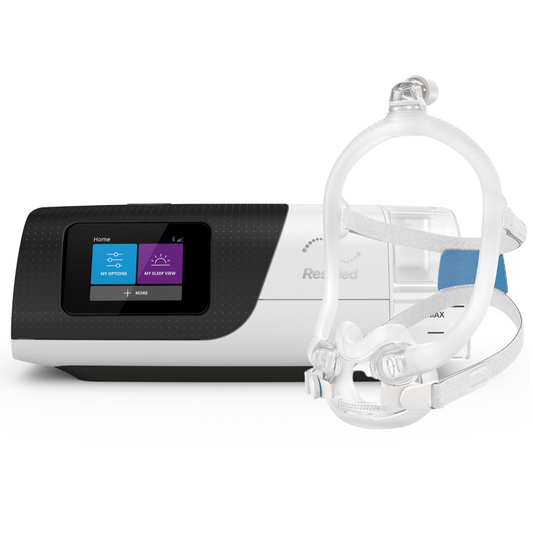
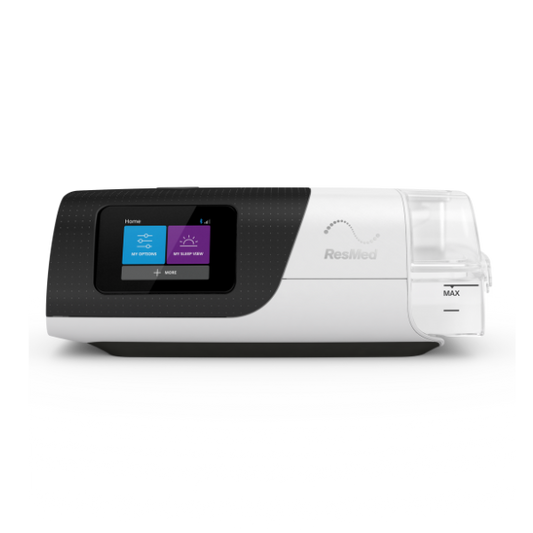
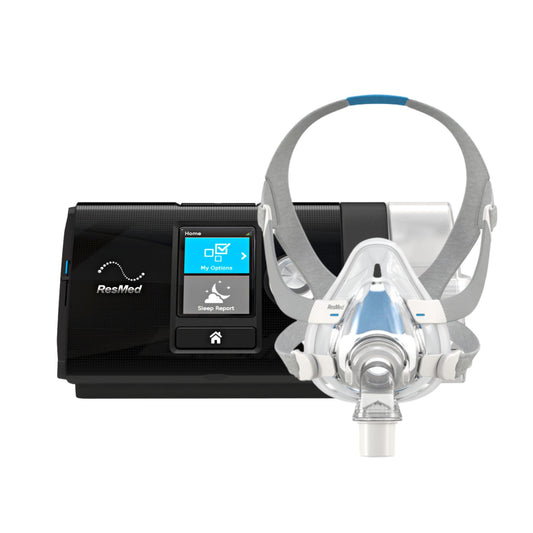
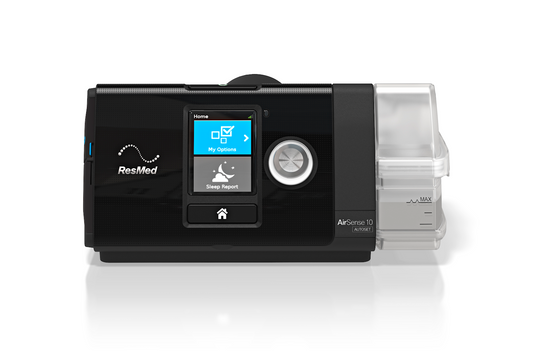
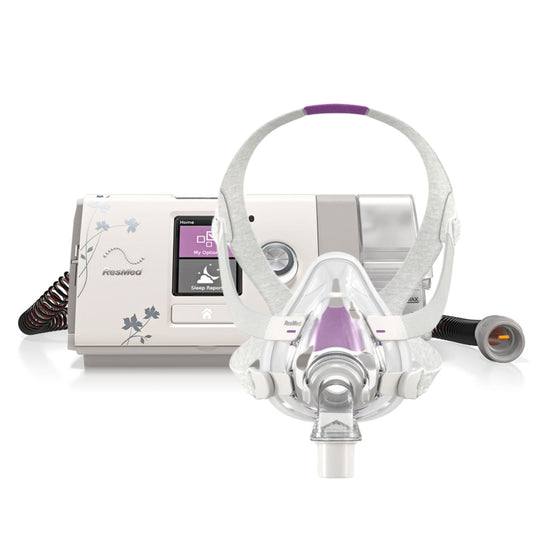
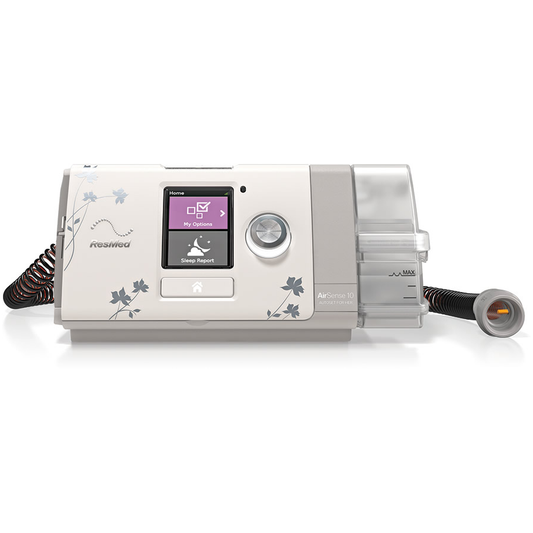
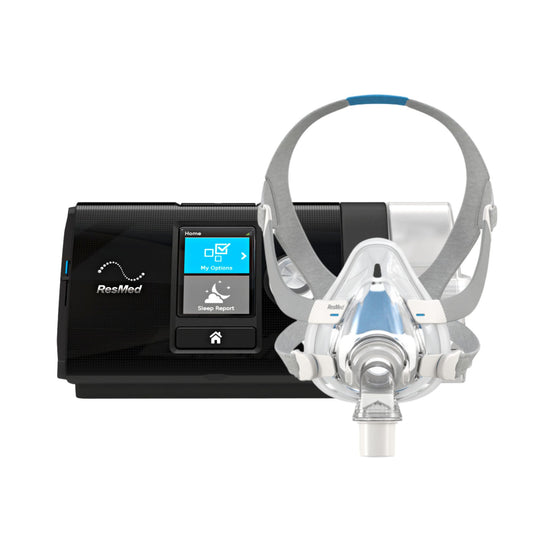
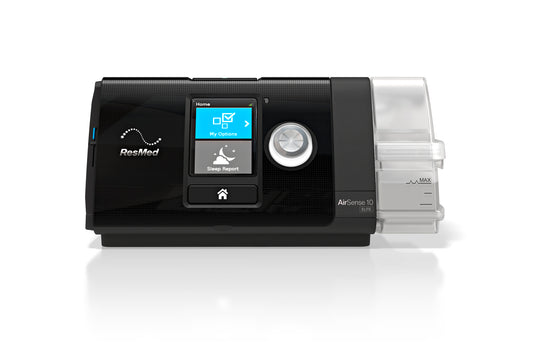
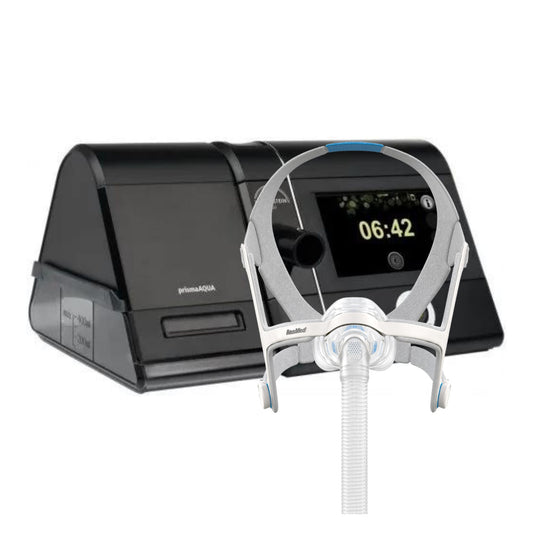
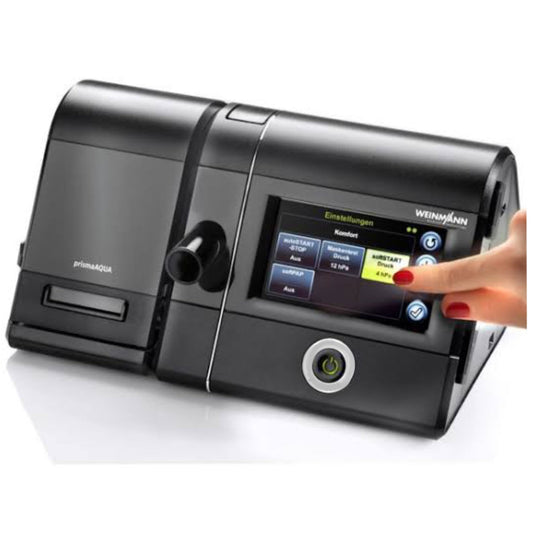
The good news is that OSA is highly treatable. The gold standard for treatment is Continuous Positive Airway Pressure (CPAP) therapy, which gently keeps your airway open using pressurised air.
Don’t ignore the signs. If your snoring is paired with gasping or ongoing fatigue, it’s worth finding out what’s really happening while you sleep. Speak with your GP about your symptoms—they can guide you through the next steps toward a formal diagnosis.
Once you’ve received a diagnosis, at CPAP Victoria we specialise in guiding patients through every step of the journey.
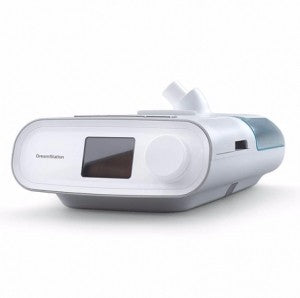
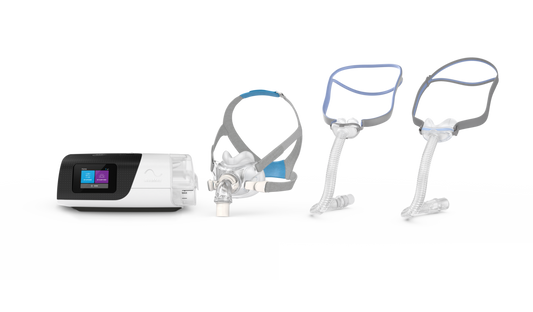
- Understanding Your Needs: We help you choose the right CPAP Machines for your prescription.
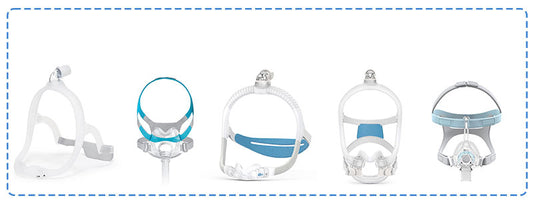
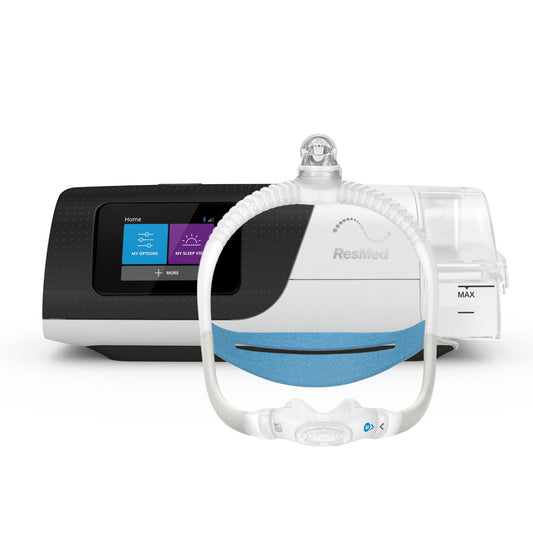
- Finding Comfort: We stock a wide range of CPAP Masks—from nasal pillows to full face masks—to ensure comfort and a proper seal.
- Expert Support: If you're ready to explore treatment or need help choosing the right equipment, consider our expert-guided Trial a CPAP Device service. We also offer advice on alternative options for simple snoring via our Snoring & Sleep Therapies section.