


Sleep Apnea in Women: Why Diagnosis is Often Missed & What to Look For
For decades, obstructive sleep apnea (OSA) was widely considered a "man’s disease." The classic image of a patient was often an older, overweight male who snored loudly enough to shake the walls. However, recent research has shattered this stereotype. We now know that sleep apnea in women is incredibly common, yet a staggering 90% of women with the condition remain undiagnosed.
Because the symptoms often manifest differently in females, many women spend years being treated for "secondary" issues like anxiety, depression, or insomnia before the true culprit—a breathing disorder—is identified.
Why is this Condition So Often Missed?
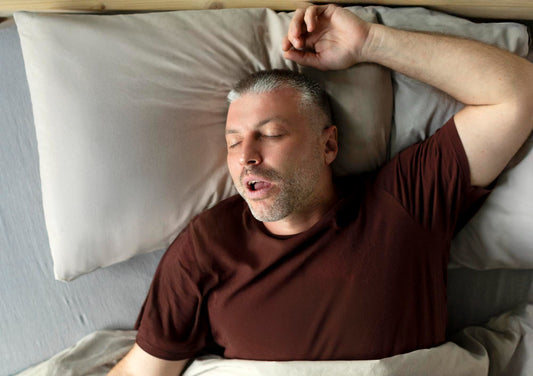
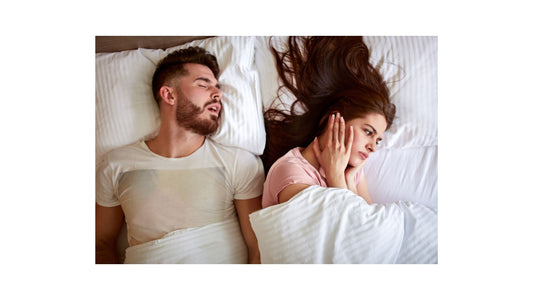
The primary reason for the "diagnosis gap" is that women often lack the "hallmark" symptoms that doctors look for. While men typically report loud snoring and gasping for air, sleep apnea in ladies tends to present with more subtle, non-specific signs.
Furthermore, biological milestones like pregnancy and menopause significantly shift a woman’s risk profile. During menopause, the loss of estrogen and progesterone (which help keep the airway muscles toned) causes the prevalence of OSA to skyrocket, often matching that of men.
Subtle Symptoms to Look For
If you don't "saw logs" like a typical snorer, you might still have OSA. Here are the female-specific indicators that shouldn't be ignored:
- Insomnia and Frequent Awakenings: Instead of snoring, many women experience "micro-arousals" where they wake up frequently but aren't sure why. This is often misdiagnosed as primary insomnia.
- Fatigue vs. Sleepiness: While men often feel "sleepy" (likely to fall asleep at their desk), women more commonly report "fatigue"—a deep-seated lack of energy, brain fog, and physical exhaustion.
- Morning Headaches: Waking up with a dull, throbbing headache is a common sign of oxygen desaturation during the night.
- Mood Disturbances: Chronic sleep fragmentation often leads to irritability, anxiety, and symptoms that mimic clinical depression.
- Restless Legs: An unpleasant "creepy-crawly" feeling in the legs at bedtime is frequently linked to disrupted breathing patterns.
The Path to a Correct Sleep Apnea Diagnosis
If these symptoms sound familiar, the first step is to advocate for a formal sleep study. Standard screening questionnaires, such as the STOP-BANG, are often biased toward male physiology (weighting factors like neck circumference and loud snoring more heavily).
At CPAP Victoria, we believe everyone deserves a tailored approach to sleep health. If you suspect you may be struggling, we recommend speaking with your GP and completing a sleep study for a formal diagnosis. Once diagnosed, you can trial a CPAP device under the guidance of our clinicians to see if your symptoms improve and find the right solution for you.
Solutions Tailored "For Her"
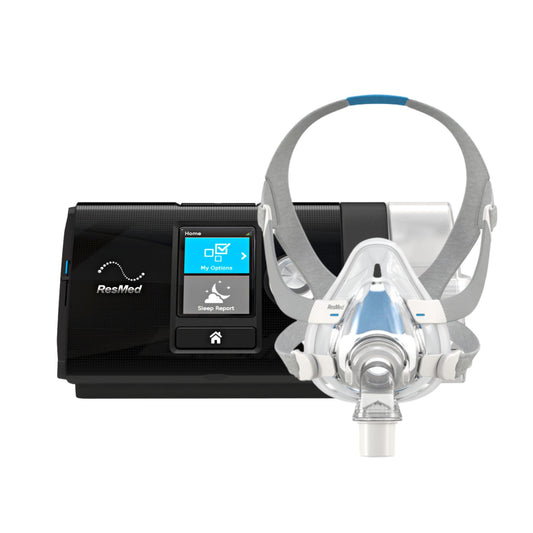
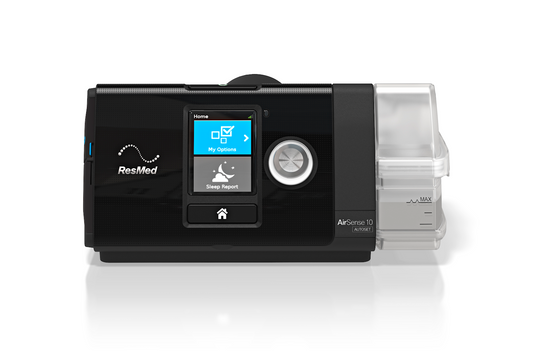
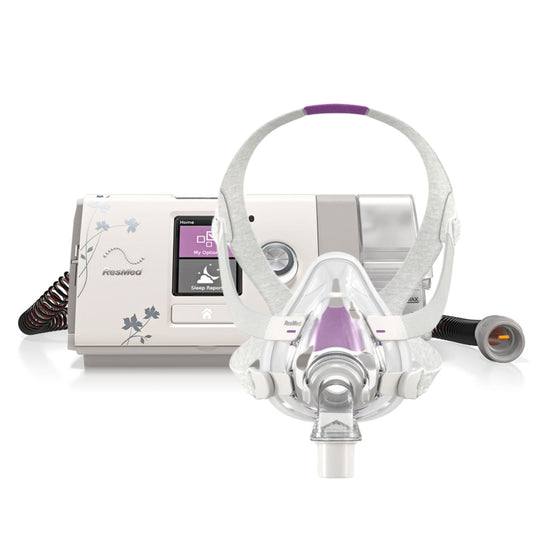
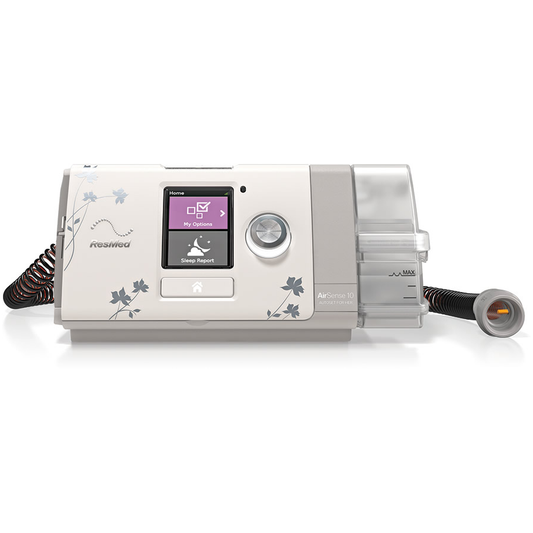
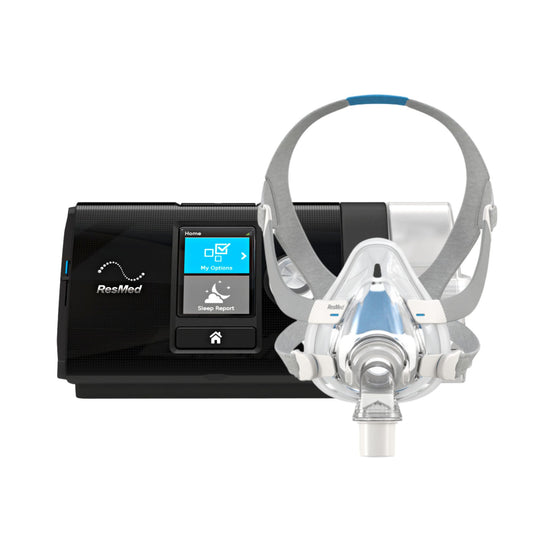
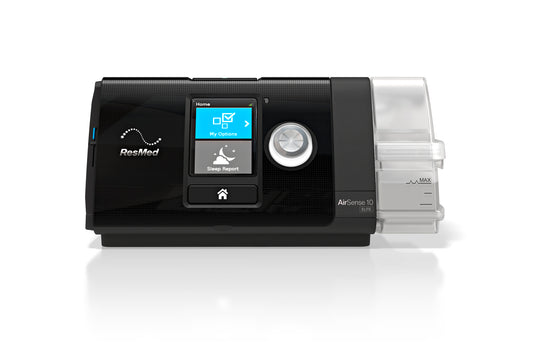
The industry has come a long way in recognising that women have unique needs when it comes to therapy. ResMed, for example, developed the "For Her" algorithm, which is specifically designed to treat the more frequent, shorter breathing events often seen in female patients.
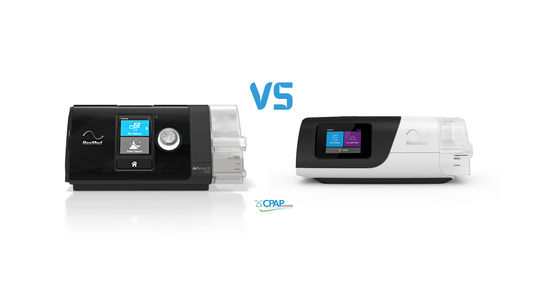
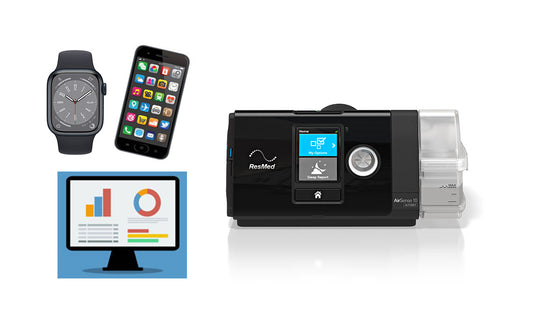
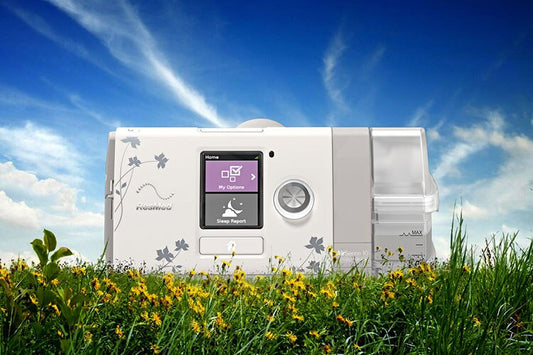
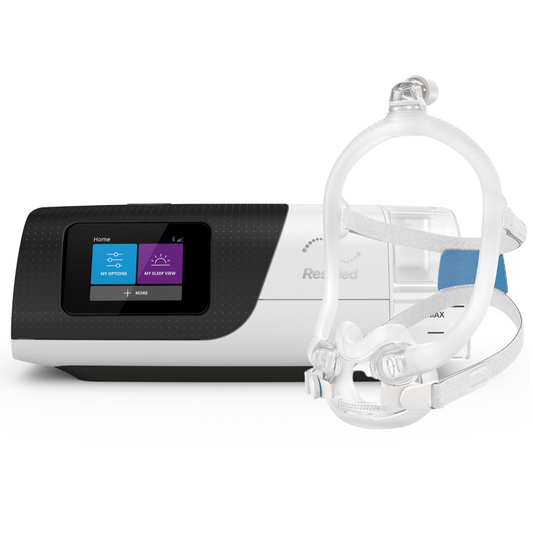
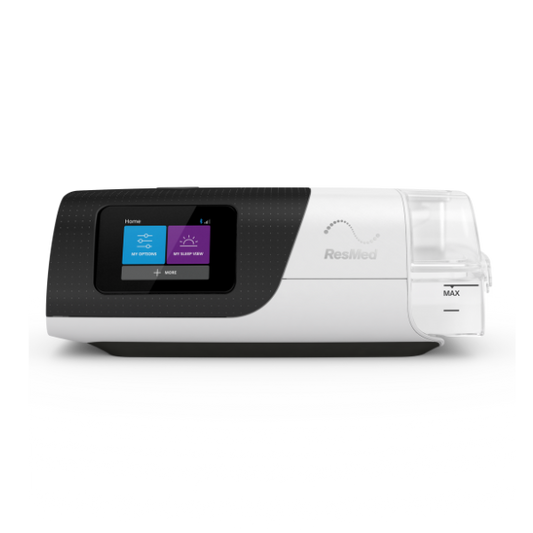
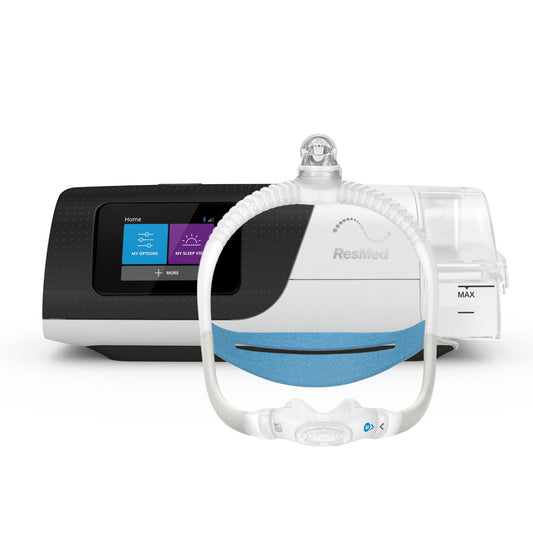
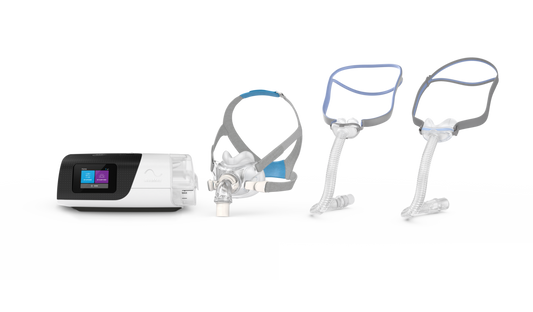
- Targeted Machines: The ResMed AirSense 11 , offers a gentler pressure increase suited to female breathing patterns.
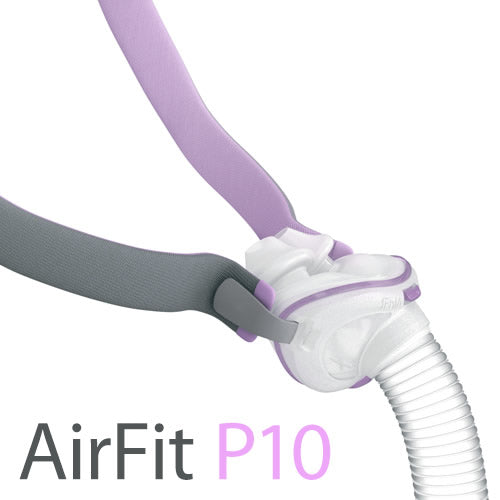
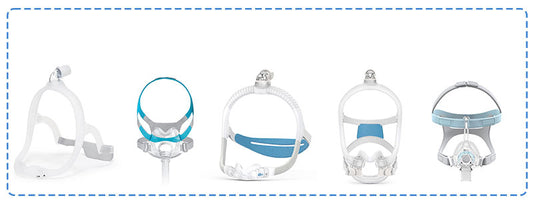
- Specialized Masks: We stock a wide range of Female-Specific Masks, designed with smaller frames and headgear that accommodates longer hair and narrower facial structures.
Get In Touch
Sleep apnea is a serious health concern that, when left untreated, can increase the risk of heart disease, type 2 diabetes, and stroke. By recognising that fatigue, headaches, and mood changes are legitimate warning signs, you can take the first step toward reclaiming your energy.
Think you might be at risk? Speak with your GP about your symptoms and arrange a sleep study to get started on your journey to better sleep. If you’ve been recently diagnosed, contact us to discuss your treatment options and find the right solution for you.